Guide to Qualifying New Suppliers in Malaysia for Manufacturing Success
Malaysia is a premier manufacturing hub in Southeast Asia. According to the Malaysian Investment Development Authority (MIDA), “Malaysia, with its extensive trade....

By AMREP | Posted on April 30, 2026
Textile inspection is the process of checking fabric and finished products for defects, consistency, and compliance before they reach the customer. It involves evaluating material quality, color accuracy, stitching, measurements, and overall performance to ensure the product meets required standards.
A single defect, whether it is a fabric flaw, color inconsistency, or stitching issue, can lead to product rejection, costly returns, and long-term brand damage. This is why a structured fabric inspection process is essential.
This guide explains how textile inspection works, including key quality control methods, testing procedures, and a complete inspection checklist.
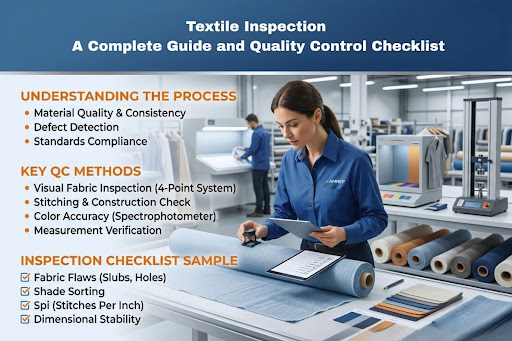
Textile products go through multiple production stages, including spinning, weaving, dyeing, cutting, and stitching. Each stage introduces potential defects that can affect the final product.
Without proper garment quality inspection, common issues can go unnoticed, often leading to:
A structured textile quality control helps identify these issues early, maintain consistency across production, and ensure that products meet quality and compliance standards before shipment.
Textile testing should be conducted at multiple stages of production to minimize risks.
You should inspect when:
Early inspection reduces defects and improves production efficiency.
To ensure consistent quality, fabric defect inspection is conducted at different stages of production. Each stage helps identify and prevent defects before the product reaches the customer.
Conducted before manufacturing begins to verify readiness for production.
Key checks include:
This stage helps prevent defects at the source.
Performed when 20 to 50 percent of production is complete.
It helps to:
Conducted when production is complete and products are ready for shipment.
It includes:
This stage determines whether the shipment is approved or rejected.
The final inspection before shipment dispatch.
Key focus areas include:
This ensures products are shipped correctly and safely.
Effective fabric inspection requires a combination of proven quality control methods to ensure consistent product quality and minimize defects across production.
AQL sampling is used to evaluate product quality based on statistical sampling.
It helps to:
For an order of 5,000 garments:
Fabric inspection ensures raw materials meet required standards.
The 4-point system is the most widely used method for evaluating fabric defects. Each defect is assigned points based on its size:
The total points are calculated per 100 square yards of fabric.
If the total exceeds the acceptable limit, the fabric is rejected.
Textiles must perform under real usage conditions.
Tests include:
Compliance testing ensures textile products meet international safety and quality standards required for global markets.
Key standards include:
Meeting these standards helps ensure product safety, regulatory compliance, and acceptance in international markets.
Continuous monitoring helps:
The following checklist provides a practical, step-by-step process to ensure textile quality before shipment.
After inspection, a detailed report provides complete visibility into product quality and helps buyers make informed decisions before shipment.
A standard inspection report includes:
This report ensures transparency and allows businesses to approve or reject shipments with confidence.
During inspection, these are the most frequently identified issues:
At AMREP Inspect, we frequently identify early defects to help prevent costly rework and product rejection.
Maintaining consistent textile quality requires a proactive and structured approach throughout the production process.
If you’re manufacturing in India, our preshipment inspection services in India help verify product quality and compliance before delivery.
To better understand sampling standards in regional manufacturing, explore our guide on AQL sampling in the Philippines and how it applies to quality inspections.
To ensure supplier reliability, explore our guide on third-party quality companies to verify suppliers before starting production.
Textile inspection plays a critical role in ensuring product quality, consistency, and compliance across global supply chains. Without proper quality control, even minor defects can lead to product rejection, increased costs, and damage to brand reputation.
With AMREP Inspect’s on-ground quality inspection services, you can detect defects early, maintain compliance, and gain full visibility into your production process.
Whether you are manufacturing in Mexico, Vietnam, Malaysia, or Thailand, our experts help you reduce risk, prevent costly returns, and ensure your textile products meet the highest quality standards.
Partner with AMREP Inspect to take control of your product quality and deliver with confidence.
It is done through visual checks, measurement verification, fabric testing, and quality control methods like AQL sampling.
AQL, or Acceptable Quality Limit, is a statistical method used to determine the maximum number of defects allowed in a sample batch before rejecting the shipment.
The 4-point system is a standard method used to evaluate fabric defects by assigning points based on defect size and severity. It helps determine whether fabric quality meets acceptable standards.
Third-party helps ensure unbiased quality checks, reduces supplier risk, and provides reliable verification before shipment.
It includes tests such as shrinkage testing, color fastness testing, tensile strength testing, and seam strength testing to ensure durability and performance.
Contact Us To See What We Can Do
Call Us
Mon - Sat 9.00 - 18.00
Sunday Closed

12 - May 2025
12
May
2025
Malaysia is a premier manufacturing hub in Southeast Asia. According to the Malaysian Investment Development Authority (MIDA), “Malaysia, with its extensive trade....

22 - April 2025
22
April
2025
Healthcare is rapidly evolving, ensuring consistent and high-quality patient care. Total Quality Management (TQM) in healthcare is more than just a buzzword—it is a powerful....

16 - April 2025
16
April
2025
Total Quality Management (TQM) is a mindset that involves everyone in the organization working toward a common goal: achieving excellence through quality. From....


Our website uses cookies to improve your experience. Read our Cookie Policy for more information.