Guide to Qualifying New Suppliers in Malaysia for Manufacturing Success
Malaysia is a premier manufacturing hub in Southeast Asia. According to the Malaysian Investment Development Authority (MIDA), “Malaysia, with its extensive trade....

By AMREP | Posted on November 4, 2025
India has rapidly emerged as one of the world’s most dynamic sourcing destinations. Its diverse manufacturing base spans textiles, engineering goods, pharmaceuticals, automotive components, chemicals, and a wide range of consumer products.
But as production accelerates and supplier bases diversify, importers face a critical challenge: ensuring the quality of their products before they leave India’s ports. Here, preshipment inspection (PSI) ensures that the final products are aligned with your quality and compliance requirements. PSI acts as the final quality verification step, ensuring buyers are protected from costly defects, shipment delays, non-compliance issues, and supplier inconsistencies.
This guide covers what preshipment inspections are, why they matter in India, and how to choose the right inspection partner.
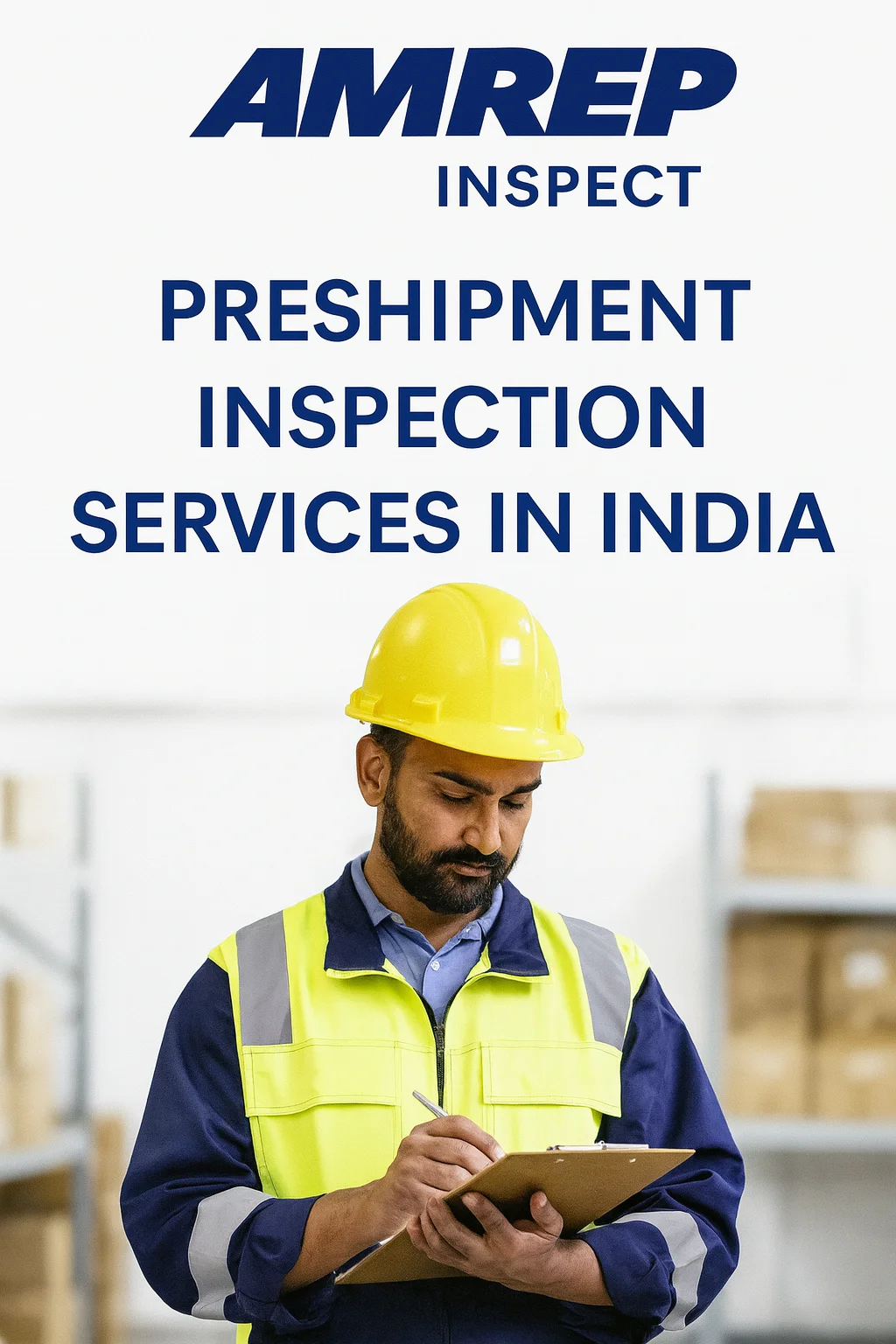
Preshipment inspection (PSI) is a systematic, on-site quality verification carried out when at least 80–100% of production is complete and the goods are packed for export. It ensures that products meet the buyer’s specifications, regulatory requirements, and quality standards before they are loaded and shipped.
A typical PSI includes:
Visual inspection for appearance and workmanship
Functionality tests and basic performance checks
Verification of dimensions, weight, and materials
Packaging and labeling checks
Quantity confirmation
Sampling and defect classification
On-site tests depending on the product type
Final assessment and actionable reporting
PSI is a safeguard and your last chance to catch issues before the goods leave Indian soil.
India’s manufacturing ecosystem is vast, diverse, and highly competitive. While it offers immense sourcing opportunities, it also comes with quality risks due to the varying levels of process maturity among suppliers.
India’s supplier base ranges from world-class factories to small-scale workshops, each with different capabilities and quality systems. PSI helps buyers validate product consistency, especially when working with new or untested vendors.
India exports everything from automotive parts and machinery to textiles, footwear, electronics, and pharmaceuticals. As volumes grow, suppliers face increased pressure—which can result in rushed production or overlooked quality steps.
Shipping defective goods leads to:
Costly returns
Rework or scrap
Delays in retail launches
Reputational damage
Regulatory penalties
PSI significantly reduces these risks.
Many products from India must meet:
US, EU, UK, Australia compliance rules
Safety standards
Environmental regulations
Import requirements
Preshipment inspections help ensure that goods meet the required benchmarks before crossing borders.
India's diverse manufacturing landscape means PSI is used across many product categories. Some of the most common industries include:
India is a global leader in apparel, linens, rugs, and home décor. PSI checks workmanship, stitching, fabric quality, colorfastness, finishing, measurements, and packaging accuracy.
With India exporting valves, castings, forgings, machine parts, and automotive components, PSI verifies:
Dimensions and tolerances
Material specifications
Performance tests
Precision and surface finish
Safety and durability
Inspections include functional tests, safety checks, assembly quality, accessories verification, and packaging drop tests.
Although most pharma exports require lab testing, PSI still plays a role by verifying packaging integrity, labeling accuracy, batch numbers, and documentation.
India’s wood, metal, cane, and handicraft furniture exports require PSI to assess stability, finishing, assembly, and protective packaging.
For spices, grains, processed foods, and packaged items, PSI confirms hygiene, packaging quality, labeling compliance, and visible contamination checks.
Preshipment inspections in India typically follow globally recognized standards like ISO 2859-1 for sampling. The process usually involves:
The buyer sends:
Purchase order
Product specifications
Approved samples
Packaging and labeling requirements
Any compliance criteria
An inspector visits the factory or warehouse to conduct a thorough examination.
Random units are selected using AQL sampling methods to ensure unbiased evaluation.
Depending on the product, inspections may include:
Detailed workmanship checks
Functionality or performance tests
Material verification
Dimensional measurement
Surface finishing checks
The inspector evaluates:
Packaging strength
Barcode accuracy
Shipping marks
Carton labels
Export documentation alignment
Where applicable, inspectors conduct on-site tests such as:
Carton drop tests
Load-bearing tests
Electrical safety checks
Fabric colorfastness tests
Visual contamination checks
A detailed report is delivered with:
Photographic evidence
Test results
Defect classification
Pass/fail status
Recommendations
This report guides the final shipment decision.
Preshipment inspections offer a wide range of advantages for importers sourcing from India, helping ensure consistent quality and smoother global shipments.
Catching defects before shipping avoids:
Rejections
Recalls
Chargebacks
Customer complaints
Meeting the required safety, labeling, and regulatory standards reduces the risk of customs complications abroad.
Factories know inspections are part of the process, encouraging them to maintain consistent quality.
Consistent quality builds trust, especially for consumer-facing products.
PSI acts as a risk-mitigation tool in complex global supply chains.
Despite their importance, PSI can face hurdles in India’s production environment.
When inspections are scheduled too close to shipment deadlines, there’s little time for corrections, creating unnecessary pressure.
Buyers often fail to communicate requirements clearly. Without detailed specs, inspectors cannot evaluate accurately.
Small workshops may struggle with standardized quality systems, leading to variability.
Factories are often located in remote or distributed regions, requiring inspectors with strong local reach.
Some factories still view inspections as an inconvenience rather than a value-adding process.
Misalignment is one of the most common root causes of quality issues. To avoid this, you may find value in our article How to Set Expectations with New Overseas Suppliers, which outlines actionable steps for successful alignment.
Selecting the right inspection company is critical. Here’s what to look for:
Key industrial zones include:
Delhi NCR
Mumbai / Pune
Chennai
Bengaluru
Hyderabad
Ahmedabad
Ludhiana
Jaipur
Coimbatore
Kolkata
An effective PSI company should cover these regions efficiently.
Whether it’s textiles, automotive, or electronics, choose a partner familiar with your product category.
A professional PSI provider adheres to recognized sampling and testing standards.
Detailed, photo-rich reports are essential for informed decision-making.
The inspection partner must remain neutral and free from supplier influence.
Reliable companies can deploy inspectors quickly and deliver timely reports.
By applying the strategies below, buyers can turn PSI from a simple checkpoint into a powerful quality management tool.
Provide drawings, samples, tolerance limits, and packaging requirements upfront.
A During-Production Inspection (DUPRO) can catch issues early.
Align expectations before production begins.
Over time, PSI reports reveal trends that can guide supplier development.
Allow rework and re-inspection without disrupting shipping schedules.
Managing supplier consistency requires continuous visibility, and our article How to Monitor Supplier Performance Remotely: Tools & Tactics offers useful approaches to maintain control even when you cannot be on-site.
Modern PSI services in India are becoming more technologically advanced. Trends include:
Mobile-based inspection reporting
Live video inspection options
Data-driven supplier performance dashboards
Digitized checklists and automated defect analysis
Integration with quality management systems (QMS)
These innovations help global buyers monitor quality more efficiently and transparently.
Preshipment inspection services in India are not just a safeguard; they are a strategic tool that helps companies protect product quality, strengthen supplier relationships, and minimize risks in global trade. As India continues to expand its manufacturing capabilities, PSI remains one of the most effective ways to ensure that your goods meet the required standards before they reach international markets.
A reliable PSI partner gives you clarity, confidence, and control, three essentials for thriving in today's competitive global supply chain.
Quality challenges can disrupt even the most reliable supplier networks, but with the right Supplier Quality Control Services, you can turn risk into resilience. AMREP offers dependable preshipment inspection services across India, helping businesses safeguard product quality, enhance supplier performance, and protect their brand reputation. With AMREP by your side, every shipment moves forward with certainty.
Contact Us To See What We Can Do
Call Us
Mon - Sat 9.00 - 18.00
Sunday Closed

12 - May 2025
12
May
2025
Malaysia is a premier manufacturing hub in Southeast Asia. According to the Malaysian Investment Development Authority (MIDA), “Malaysia, with its extensive trade....

22 - April 2025
22
April
2025
Healthcare is rapidly evolving, ensuring consistent and high-quality patient care. Total Quality Management (TQM) in healthcare is more than just a buzzword—it is a powerful....
16 - April 2025
16
April
2025
Total Quality Management (TQM) is a mindset that involves everyone in the organization working toward a common goal: achieving excellence through quality. From....


Our website uses cookies to improve your experience. Read our Cookie Policy for more information.