Guide to Qualifying New Suppliers in Malaysia for Manufacturing Success
Malaysia is a premier manufacturing hub in Southeast Asia. According to the Malaysian Investment Development Authority (MIDA), “Malaysia, with its extensive trade....

By AMREP | Posted on March 06, 2026
Fundamentals of supplier management for medical device companies include thorough supplier evaluation, clearly defined quality agreements, continuous performance monitoring, and maintaining an Approved Supplier List (ASL) to ensure that only qualified suppliers contribute to the final medical device.
According to Grand View Research, the global medical device market exceeded $570 billion in 2023 and is projected to reach $800 billion to $1 trillion by 2030, highlighting the growing need for strong supplier management to ensure quality and regulatory compliance.
This article outlines the key fundamentals of supplier management and explains how medical device companies can build reliable, compliant, and high-performing supplier networks.
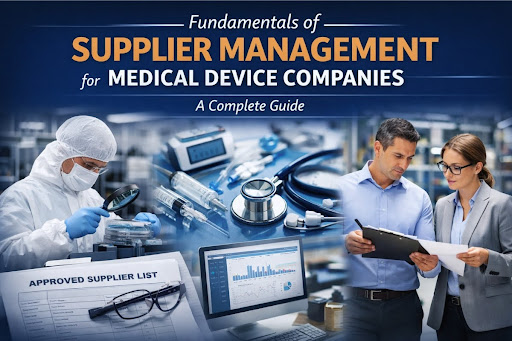
Supplier management in the medical device industry refers to the structured process of selecting, qualifying, and monitoring suppliers that provide materials, components, or services used in medical device production. Because medical devices directly impact patient safety, manufacturers must ensure that suppliers consistently meet strict quality and regulatory requirements.
Effective supplier management typically involves:
By implementing strong supplier management practices, medical device companies can maintain product quality, meet regulatory requirements, and reduce supply chain risks that may impact device safety or performance.
Supplier management in the medical device industry is governed by strict regulatory standards to ensure product quality, traceability, and patient safety. Manufacturers are required to establish formal procedures for evaluating, approving, and monitoring their suppliers throughout the product lifecycle.
Key regulatory frameworks include:
This international standard for medical device quality management requires companies to implement a risk-based approach to supplier control, ensuring that suppliers consistently meet quality and regulatory requirements.
The U.S. Food and Drug Administration requires manufacturers to evaluate and select suppliers based on their ability to meet specified requirements and maintain documented records of supplier evaluations and approvals.
Companies must maintain proper documentation for supplier audits, evaluations, corrective actions, and ongoing performance monitoring within their QMS.
By complying with these regulations, medical device companies can ensure consistent product quality, maintain regulatory approval, and reduce risks associated with supplier failures.
Effective supplier management is built on several core principles that ensure suppliers consistently meet quality, regulatory, and operational requirements. These fundamentals help medical device companies maintain product reliability, regulatory compliance, and supply chain stability.
Before onboarding a supplier, manufacturers must evaluate their ability to meet technical and regulatory requirements. This includes assessing:
Thorough supplier evaluation helps ensure that only capable and compliant suppliers are selected.
Once a supplier is selected, they must go through a formal qualification process before being approved. This process typically includes:
This structured onboarding process reduces risks and ensures suppliers can meet manufacturing requirements.
Medical device companies maintain an Approved Supplier List (ASL) to ensure that only qualified suppliers are used for materials or services that impact device quality.
Key practices include:
The ASL helps maintain traceability and regulatory compliance.
Supplier quality agreements define the responsibilities and expectations between manufacturers and suppliers.
These agreements typically cover:
Clear agreements help ensure consistent quality and prevent misunderstandings.
A risk-based approach, recommended by ISO 13485, categorizes suppliers based on their impact on product quality. According to the FDA, over 2,500 medical device recalls are issued annually, with many driven by manufacturing or supplier-related quality issues.
Suppliers may be classified as:
Higher-risk suppliers require stricter monitoring, more frequent audits, and stronger documentation controls.
Ongoing monitoring ensures suppliers maintain expected performance levels.
Companies typically track key performance indicators such as:
Supplier scorecards are often used to evaluate performance over time.
All supplier-related activities must be documented within the company’s Quality Management System (QMS).
Important records include:
Proper documentation ensures traceability and regulatory compliance.
When supplier issues occur, companies must address them through structured corrective processes.
Typical steps include:
This process helps prevent recurring quality issues and improves long-term supplier performance.
Supplier audits and inspections are essential tools for ensuring that suppliers consistently meet quality, regulatory, and operational requirements. In the medical device industry, audits help manufacturers verify that suppliers follow proper manufacturing practices and maintain effective quality management systems.
Supplier audits typically involve reviewing the supplier’s production processes, quality control procedures, documentation practices, and compliance with regulatory standards. These audits provide valuable insights into potential risks and help identify issues before they affect product quality.
Common types of supplier audits include:
In addition to internal audits, many companies also use independent inspection services to evaluate supplier facilities and product quality. These inspections help detect manufacturing defects, verify compliance with specifications, and reduce the risk of non-conforming components entering the production process.
Technology plays an important role in improving supplier management for medical device companies. Digital tools help manufacturers monitor supplier performance, maintain regulatory documentation, and improve supply chain transparency.
Common technologies used in supplier management include:
By using these technologies, medical device companies can strengthen supplier oversight, improve compliance management, and make more informed supply chain decisions.
Effective supplier management requires consistent oversight, clear communication, and continuous improvement. By following structured best practices, medical device companies can strengthen supplier relationships while ensuring product quality and regulatory compliance.
Open and consistent communication helps align expectations between manufacturers and suppliers. Clear communication channels allow companies to address quality issues quickly and ensure suppliers understand regulatory and technical requirements.
Periodic supplier reviews help evaluate performance, compliance, and reliability. These reviews allow companies to identify potential risks early and ensure suppliers continue to meet required standards.
Supplier scorecards track key performance indicators such as product defect rates, delivery reliability, and responsiveness to corrective actions. Monitoring these metrics helps companies measure supplier performance objectively.
You can also explore effective methods in our article on How to Monitor Supplier Performance Remotely
Manufacturers should work closely with suppliers to improve processes, address quality issues, and implement corrective actions. Continuous improvement strengthens long-term supplier relationships and product quality.
Relying on a single supplier for critical components increases supply chain risk. Diversifying suppliers helps ensure production continuity if disruptions occur.
You can also learn more about maintaining consistent supplier performance in our article on Supplier Quality Management.
Effective supplier management is critical for medical device companies to maintain product quality, regulatory compliance, and supply chain reliability. To strengthen supplier oversight and maintain high-quality standards, many companies rely on expert third-party support. AMREP Inspect offers effective Supplier Management Solutions designed to help medical device companies evaluate suppliers, conduct audits, monitor performance, and ensure regulatory compliance throughout the supply chain.
Contact Us To See What We Can Do
Call Us
Mon - Sat 9.00 - 18.00
Sunday Closed


12 - May 2025
12
May
2025
Malaysia is a premier manufacturing hub in Southeast Asia. According to the Malaysian Investment Development Authority (MIDA), “Malaysia, with its extensive trade....
22 - April 2025
22
April
2025
Healthcare is rapidly evolving, ensuring consistent and high-quality patient care. Total Quality Management (TQM) in healthcare is more than just a buzzword—it is a powerful....

16 - April 2025
16
April
2025
Total Quality Management (TQM) is a mindset that involves everyone in the organization working toward a common goal: achieving excellence through quality. From....


Our website uses cookies to improve your experience. Read our Cookie Policy for more information.