Guide to Qualifying New Suppliers in Malaysia for Manufacturing Success
Malaysia is a premier manufacturing hub in Southeast Asia. According to the Malaysian Investment Development Authority (MIDA), “Malaysia, with its extensive trade....

By AMREP | Posted on February 16, 2026
ISO certification signals quality and compliance, but verification is essential to ensure claims are genuine. Key steps include requesting the certificate, checking the certification body, confirming scope and standard version, cross-checking online directories, and reviewing company practices to confidently partner with ISO-certified companies.
Whether you are sourcing products, partnering with a supplier, or selecting a service provider, verifying an ISO certification is crucial to ensure that the company genuinely adheres to international quality management standards.
This guide provides a step-by-step roadmap to verify ISO certification, check key documents, spot red flags, and ensure a reliable, efficient verification process.
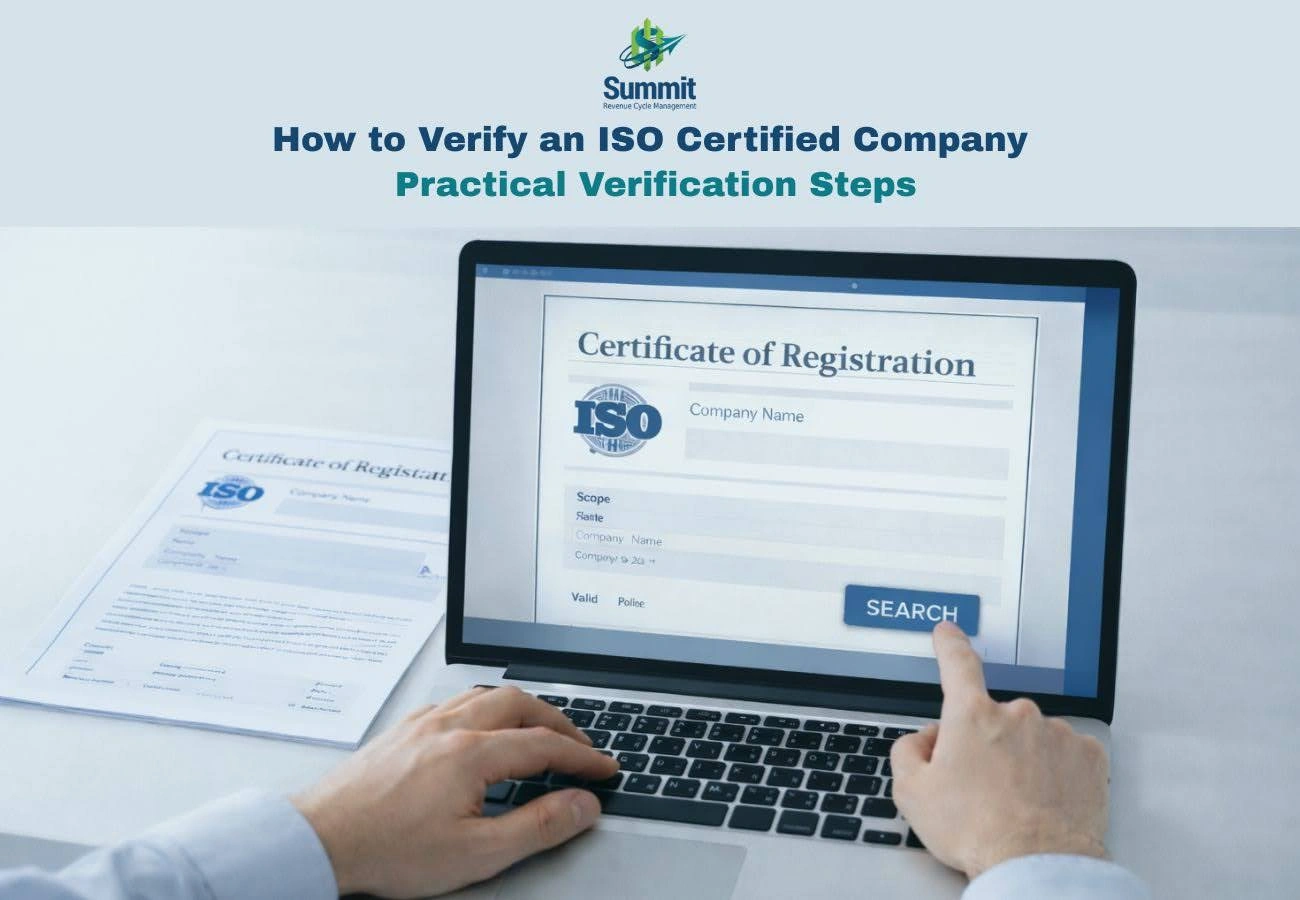
Before verifying an ISO certified company, it’s essential to understand what ISO certification means, the types of ISO standards, and how certification is issued. This knowledge helps you distinguish genuine certifications from misleading claims.
ISO (International Organization for Standardization) develops global standards that ensure products, services, and systems meet consistent quality, safety, and efficiency requirements.
Certification is issued by an accredited Certification Body (CB), confirming that a company complies with a specific ISO standard.
It is not permanent; ISO certifications require regular audits (usually annually) to maintain validity.
Different ISO standards apply to different business functions. Some of the most common include:
| ISO Standard | Purpose |
|---|---|
| ISO 9001 | Quality Management System (QMS) |
| ISO 14001 | Environmental Management System |
| ISO 45001 | Occupational Health & Safety |
| ISO 22000 | Food Safety Management |
| ISO 27001 | Information Security Management |
Knowing which standard a company claims is essential, as verification steps may vary depending on the standard.
Certification Bodies (CBs): Independent organizations accredited by national accreditation bodies to issue ISO certifications.
Accreditation Bodies (ABs): National or regional organizations that ensure CBs follow ISO guidelines (e.g., UKAS in the UK, ANAB in the US).
A genuine ISO certificate should contain:
Practical Tip: Always check the certificate carefully. Certificates missing key details or with unclear scope are often red flags for invalid claims.
Verifying an ISO certified company is a systematic process. Following these steps ensures that the certification is genuine, current, and relevant to your business needs.
Always document your verification process. Maintain records of certificate copies, CB confirmations, and scope checks. This is particularly useful for audits, procurement compliance, or contractual obligations.
Even with a certificate in hand, companies may misrepresent or misuse ISO certification. Being aware of common red flags helps you avoid partnering with unqualified suppliers or service providers.
Practical Tip: Combine document verification with CB confirmation and, if possible, site visits or process audits. This multi-layered approach minimizes the risk of dealing with companies that falsely claim ISO certification.
Ensure your quality system is effective by reading How to Conduct a QMS Audit.
Verifying an ISO certified company is not just a procedural step—it’s a strategic safeguard that directly impacts quality, compliance, and business reputation.
Practical Insight: ISO verification is not a one-time task. Integrate it into your supplier onboarding, procurement, and audit processes to consistently ensure quality and compliance across your business operations.
Learn how manufacturers monitor process stability by exploring Control Charts in SPC: Types, Rules, and How to Read Them.
Verifying an ISO certified company is essential to protect your business from quality risks, compliance failures, and operational disruptions. By systematically checking certificates, confirming certification bodies, reviewing scopes, and integrating verification into supplier management, your organization can confidently partner with reliable, quality-focused companies.
Partner with AMREP Inspect for expert ISO verification and quality management services, including certificate validation, internal audits, process assessments, and full QMS implementation support to strengthen your operational excellence.
Contact Us To See What We Can Do
Call Us
Mon - Sat 9.00 - 18.00
Sunday Closed


12 - May 2025
12
May
2025
Malaysia is a premier manufacturing hub in Southeast Asia. According to the Malaysian Investment Development Authority (MIDA), “Malaysia, with its extensive trade....

22 - April 2025
22
April
2025
Healthcare is rapidly evolving, ensuring consistent and high-quality patient care. Total Quality Management (TQM) in healthcare is more than just a buzzword—it is a powerful....
16 - April 2025
16
April
2025
Total Quality Management (TQM) is a mindset that involves everyone in the organization working toward a common goal: achieving excellence through quality. From....


Our website uses cookies to improve your experience. Read our Cookie Policy for more information.