Guide to Qualifying New Suppliers in Malaysia for Manufacturing Success
Malaysia is a premier manufacturing hub in Southeast Asia. According to the Malaysian Investment Development Authority (MIDA), “Malaysia, with its extensive trade....

By AMREP | Posted on March 16, 2026
In the medical device industry, product quality and patient safety depend not only on internal manufacturing processes but also on the reliability and performance of external suppliers. Medical device manufacturers rely on suppliers for raw materials, components, manufacturing services, sterilization processes, packaging, and many other critical functions. Because these external inputs directly affect the safety and effectiveness of medical devices, managing supplier quality is a fundamental requirement under ISO 13485, the internationally recognized standard for quality management systems in the medical device sector.
ISO 13485 places significant emphasis on supplier controls to ensure that products and services provided by external parties consistently meet regulatory requirements and quality standards. Effective supplier quality management helps organizations reduce risks, maintain compliance with global regulatory authorities, and ensure that patients receive safe and reliable medical devices.
This article explores the role of supplier quality in ISO 13485, key requirements of the standard, best practices for managing suppliers, and strategies for building a strong supplier quality management system.
Supplier quality management refers to the processes and controls organizations use to ensure that materials, components, and services obtained from external suppliers meet defined quality requirementss.
Under ISO 13485, suppliers are often referred to as external providers, and organizations must establish procedures to evaluate, select, monitor, and re-evaluate these providers based on their ability to meet specified requirements.
The standard recognizes that suppliers play a critical role in the medical device lifecycle. Even if a manufacturer does not directly produce certain components or services, it remains responsible for ensuring that outsourced activities meet the same quality and regulatory requirements as internal processes.
For example, medical device manufacturers may rely on suppliers for:
If any of these suppliers fail to meet quality standards, the safety and effectiveness of the final medical device may be compromised.
Therefore, ISO 13485 requires organizations to establish structured processes to manage supplier relationships and ensure consistent performance.
Managing supplier quality is essential for several reasons in the medical device industry.
Medical devices often play a critical role in diagnosis, treatment, and life support. Defective components or contaminated materials supplied by external providers can lead to serious safety risks for patients.
By implementing strong supplier quality controls, organizations can minimize the risk of defective products entering the supply chain.
Medical device manufacturers must comply with strict regulatory requirements imposed by authorities such as the FDA, the European Medicines Agency, and other global regulators.
These regulations require organizations to demonstrate control over outsourced processes and supplier activities.
Failure to properly manage suppliers can result in regulatory findings, product recalls, or loss of certification.
Consistent product quality depends on consistent input materials and components. Supplier quality management ensures that purchased products meet specifications and perform reliably within the manufacturing process.
This reduces the risk of production disruptions and product defects.
Supplier quality management also improves supply chain reliability by establishing clear expectations, monitoring supplier performance, and maintaining strong communication with external partners.
Reliable suppliers contribute to stable production operations and better customer satisfaction.
ISO 13485 includes several clauses that address supplier management and external provider controls.
Organizations must establish criteria for selecting suppliers based on their ability to meet quality requirements.
Supplier evaluation may consider factors such as:
For critical suppliers, organizations may perform on-site audits to verify compliance with quality standards.
Once a supplier is selected, the organization must clearly define purchasing requirements.
These requirements should specify:
Clear communication ensures that suppliers understand the expectations associated with their products or services.
Supplier performance must be continuously monitored to ensure ongoing compliance with quality requirements.
Organizations may track supplier performance using metrics such as:
Regular performance reviews help organizations identify potential issues early and take corrective action when necessary.
ISO 13485 requires organizations to periodically re-evaluate suppliers to confirm that they continue to meet defined requirements.
Re-evaluation may include:
If supplier performance declines, organizations must determine whether corrective actions or supplier replacement are necessary.
Organizations must maintain records related to supplier evaluations, monitoring activities, and corrective actions.
These records demonstrate compliance with ISO 13485 requirements and provide traceability for regulatory inspections.
ISO 13485 emphasizes a risk-based approach to supplier management. Not all suppliers pose the same level of risk to product quality and patient safety.
Organizations should categorize suppliers based on their impact on the final product.
Critical suppliers provide materials or services that directly affect the safety and effectiveness of the medical device.
Examples include:
These suppliers require the highest level of oversight, including audits and detailed performance monitoring.
Major suppliers provide products or services that influence product quality but may not directly affect patient safety.
These suppliers require regular monitoring and performance evaluations.
Minor suppliers provide items with minimal impact on product quality, such as office supplies or non-critical materials.
Oversight for these suppliers may be less intensive.
To effectively manage supplier quality, organizations should establish a structured supplier quality management system within their ISO 13485 framework.
Key elements of a supplier quality management system include:
This structured approach ensures consistent oversight across the supply chain.
Supplier audits are an important tool for verifying that suppliers meet quality requirements.
Audits may evaluate:
Supplier audits are particularly important for high-risk suppliers or when organizations outsource critical manufacturing processes.
Despite strong quality controls, supplier-related issues can still occur. Organizations must have procedures in place to address supplier nonconformities.
Common supplier issues include:
When a nonconformity occurs, organizations should conduct a root cause investigation and require the supplier to implement corrective actions.
Corrective actions may include process improvements, additional inspections, or employee training.
In severe cases, organizations may need to suspend or terminate the supplier relationship.
Traceability is a critical requirement in the medical device industry, where product safety and regulatory compliance depend on the ability to track materials and components throughout the entire production process. ISO 13485 requires organizations to maintain detailed documentation that enables the identification and tracking of supplier-provided materials from procurement through manufacturing, distribution, and final delivery.
A well-structured traceability system allows organizations to quickly identify and isolate affected products if a supplier-related issue arises. This capability is particularly important in situations involving product recalls, quality investigations, or regulatory inspections.
Proper documentation and traceability not only support compliance with ISO 13485 requirements but also enhance transparency, accountability, and overall quality control across the supply chain.
Effective supplier quality management relies heavily on strong collaboration and clear communication between organizations and their suppliers. When suppliers fully understand quality expectations, regulatory requirements, and operational standards, they are better equipped to deliver consistent and reliable products or services.
Organizations should maintain open lines of communication with their suppliers and work together to:
Building strong supplier relationships encourages transparency, improves operational alignment, and promotes innovation. Collaborative partnerships can ultimately lead to higher product quality, improved supply chain efficiency, and stronger long-term performance.
Managing supplier quality in the medical device industry can present a range of challenges, particularly as supply chains become more global and complex. Organizations must maintain consistent oversight while working with suppliers across different regions, regulatory environments, and operational standards.
Some common challenges include:
Addressing these challenges requires organizations to implement strong quality management practices, maintain effective supplier monitoring systems, and establish clear communication channels throughout the supply chain.
To maintain strong supplier performance and ensure compliance with ISO 13485, organizations should implement structured supplier quality management strategies.
Organizations should prioritize oversight and monitoring for suppliers that present the highest risk to product quality and patient safety.
Supplier agreements should clearly define quality responsibilities, regulatory requirements, product specifications, and performance expectations.
Tracking performance metrics such as defect rates, delivery reliability, and responsiveness to corrective actions helps organizations identify potential issues early.
Supplier audits allow organizations to verify compliance with quality requirements and identify opportunities for improvement.
Encouraging suppliers to participate in quality improvement initiatives strengthens collaboration and supports long-term performance enhancements.
Proper documentation plays a critical role in supplier quality management. To understand what documents are required and how to structure them, read our article on QMS Documentation: Required Documents + How to Organize Them .
As the medical device industry continues to evolve, supplier quality management will play an increasingly important role in ensuring product safety, regulatory compliance, and supply chain reliability.
Several emerging trends are shaping the future of supplier quality management, including:
Organizations that invest in strong supplier quality systems and proactive supplier oversight will be better positioned to navigate these changes, maintain compliance with global regulations, and ensure the consistent production of safe and effective medical devices.
Verifying supplier certifications is an important part of maintaining supply chain quality. Learning how to verify an ISO certified company helps organizations ensure that their suppliers meet legitimate international standards.
Managing supplier quality effectively is essential for organizations seeking to maintain ISO 13485 compliance and protect product integrity. Strong supplier management practices help organizations reduce risks, maintain regulatory compliance, and ensure that medical devices meet the highest standards of safety and performance.
As a trusted supplier quality management company, AMREP Mexico supports organizations in regulated industries by providing expert guidance in quality management systems, supplier quality programs, and regulatory compliance. From supplier audits and risk assessments to quality system implementation and audit preparation, AMREP Mexico helps organizations strengthen their supply chain oversight and meet international standards.
By partnering with experienced compliance specialists, organizations can build more resilient supply chains, improve supplier performance, and ensure that their quality management systems support safe and reliable medical device production.
Contact Us To See What We Can Do
Call Us
Mon - Sat 9.00 - 18.00
Sunday Closed


12 - May 2025
12
May
2025
Malaysia is a premier manufacturing hub in Southeast Asia. According to the Malaysian Investment Development Authority (MIDA), “Malaysia, with its extensive trade....
22 - April 2025
22
April
2025
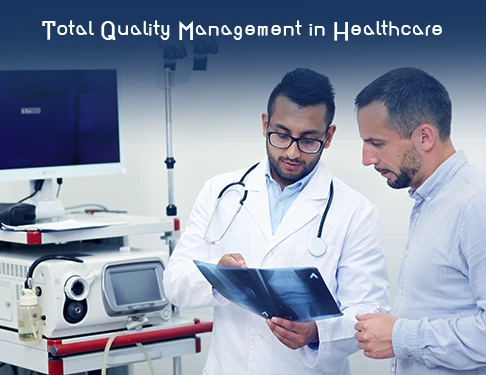
Healthcare is rapidly evolving, ensuring consistent and high-quality patient care. Total Quality Management (TQM) in healthcare is more than just a buzzword—it is a powerful....

16 - April 2025
16
April
2025
Total Quality Management (TQM) is a mindset that involves everyone in the organization working toward a common goal: achieving excellence through quality. From....


Our website uses cookies to improve your experience. Read our Cookie Policy for more information.